Case Study No. 8
Does Work Nomad Really Have More Freedom or Better Life? Career Help and Suggestions

Listen to this post · 7 min
Read aloud by a synthetic voice.
The beach-and-laptop photo is real. So are the 11 p.m. calls, the visa paperwork, and the Sunday nights when nobody in the city knows your name.
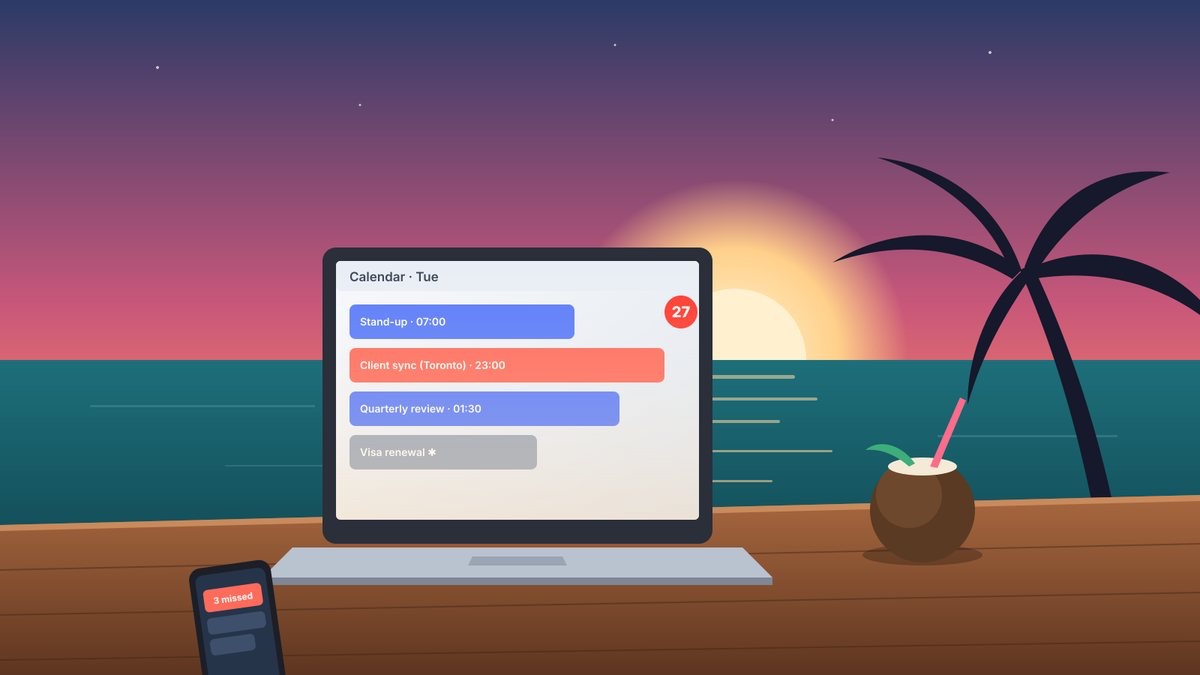
Picture the usual photo. A laptop on a wooden table, a coconut with a straw, turquoise water just out of focus. Now picture what's off-camera: screen glare that turns the spreadsheet into a mirror, Wi-Fi that dies when the café fills up at lunch, and a client in Toronto who wants a "quick sync" at what is, for you in Bali, 11 p.m.
Both pictures are true. Most of what gets written about nomad life only shows you one of them.
So here's an honest look at what the freedom actually is, what it costs, and how to try it without damaging a career you spent years building.
It's not a fringe thing anymore
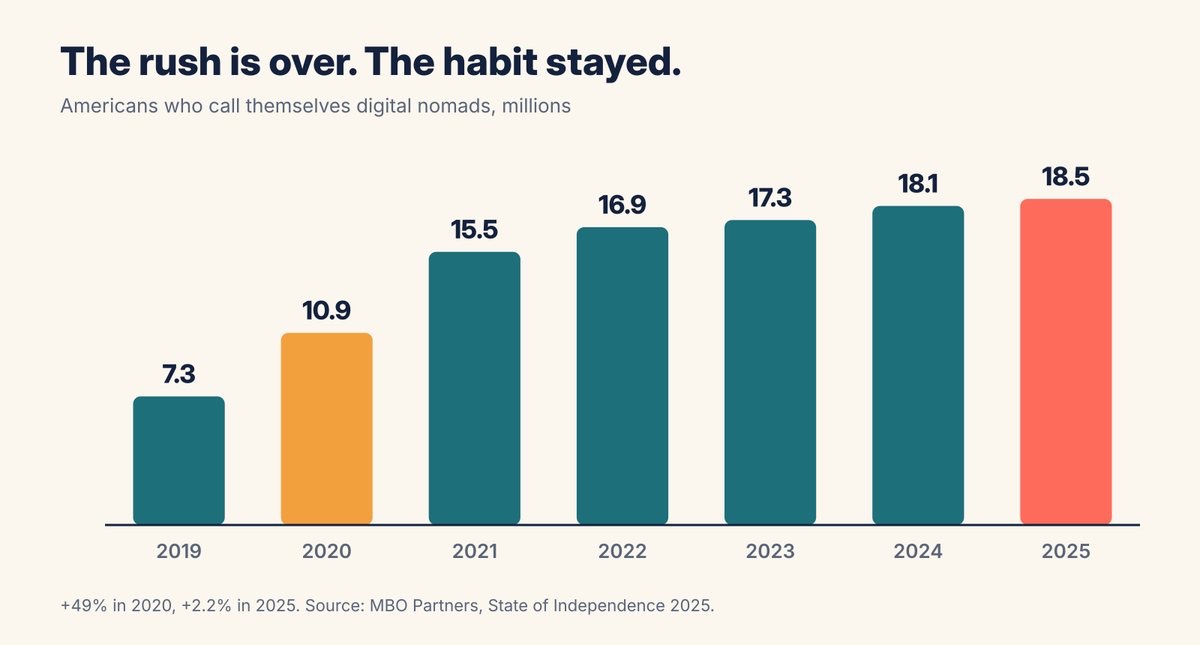
MBO Partners has tracked American digital nomads every year since 2018. Its 2025 count was 18.5 million, up from 7.3 million in 2019. But look at the growth rate. It was +49% in 2020, the year offices emptied. Last year it was +2.2%. The rush is over. The people still doing it are the ones who made it work, or who are still figuring out whether they can.
Globally, nobody has a clean number. Estimates run anywhere from 40 to 80 million, which mostly tells you how loose the definition is. Governments have noticed, though. Estonia launched the first dedicated digital nomad visa in 2020. By mid-2026 there were roughly 50 dedicated programmes, or 60 to 70-plus if you count looser remote-work permits. Slovenia added one in late 2025, and Sri Lanka opened its scheme in February 2026.
The paperwork exists. Whether the life is better is a different question.
What the freedom actually is
The freedom is real, but it's narrower than the photos suggest.
You get freedom of place: you choose where you wake up. You get some freedom of cost, because a salary earned in London, Sydney or Singapore goes further in Da Nang, Tbilisi or Mexico City. (Locals in those cities have strong feelings about that, and they're not wrong to.) And if you're disciplined, you get more control over your day.
What you don't get is freedom from work. Your inbox comes with you. If anything, it moves closer, because there's no office door to walk out of at six. In a 2023 Passport-Photo Online survey of about 950 American nomads, 77% said they'd burned out at least once, and 83% said they felt guilty taking time off. Those aren't the numbers of people who escaped the grind. They're people who took the grind somewhere with a better view.
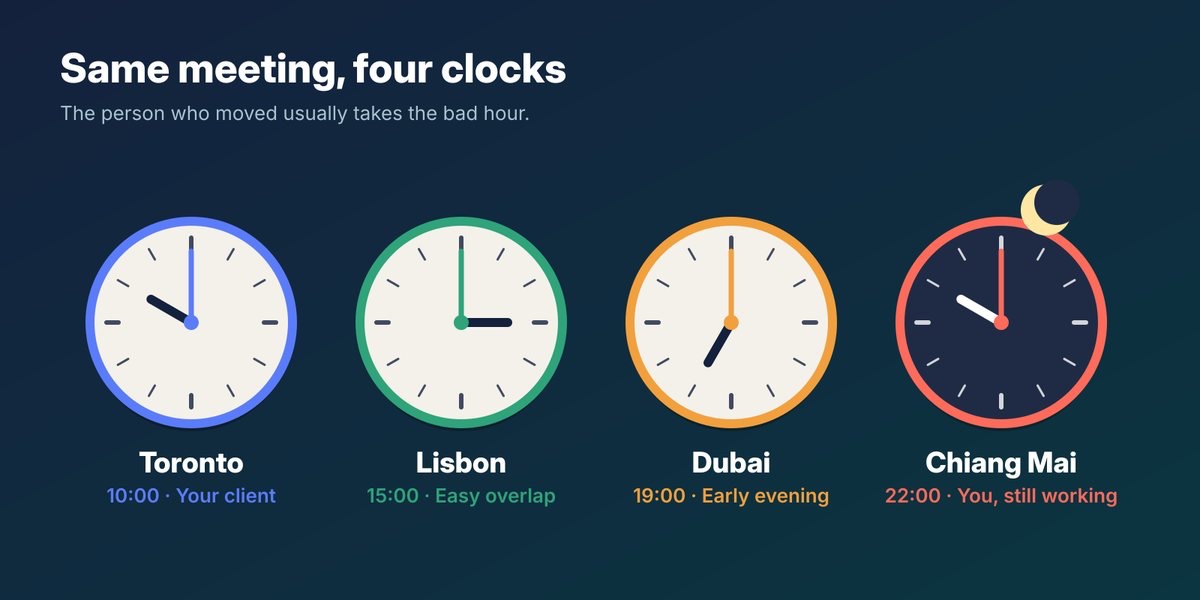
Then there are time zones. A New York team and a nomad in Lisbon is easy; you share most of the working day. Swap Lisbon for Chiang Mai and someone is always on a call at a bad hour. It's usually the person who moved.
The costs nobody posts
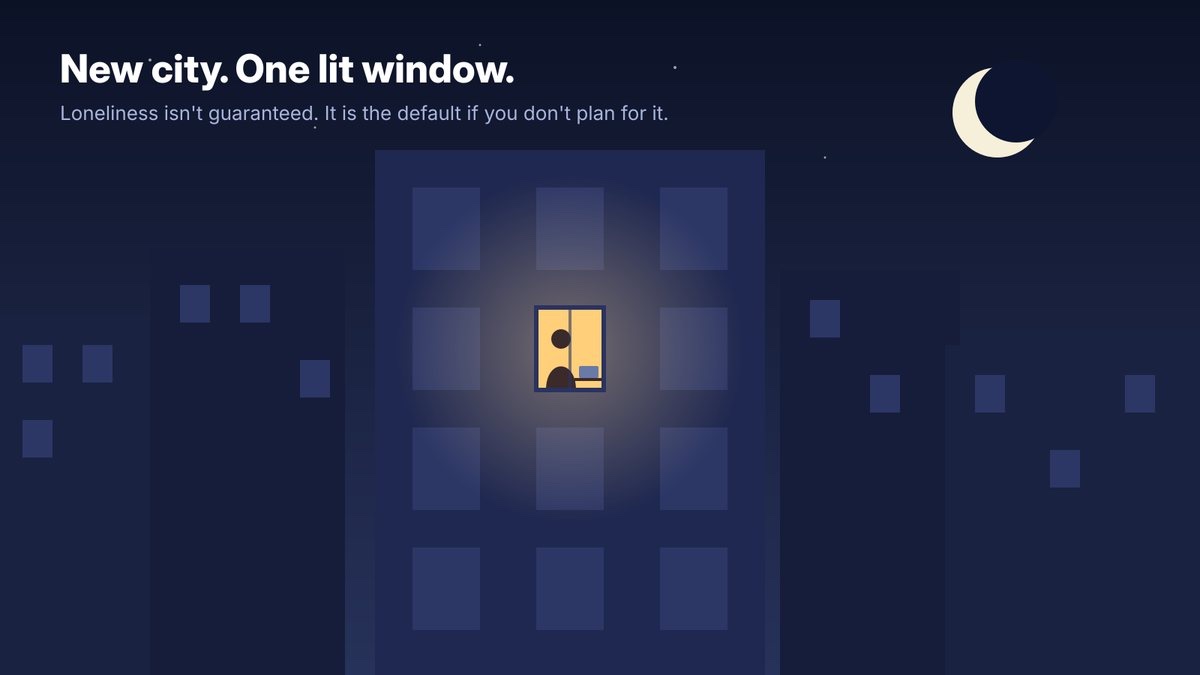
Loneliness. Researchers at the University of Reading interviewed 30 nomads and described loneliness as a spectrum: the lifestyle can push you toward it, but it doesn't have to. Where you end up depends a lot on structure. Coworking spaces, going back to the same cities, staying long enough that the barista knows your order. Planned community tends to work better than hoping you'll bump into people.
Admin. It's boring and heavier than people expect. Tax residency rules, health insurance that actually pays out abroad, visa renewals, banks that freeze your card when you log in from a new country. When the Dutch bank bunq surveyed 5,000 people living and working internationally across Europe in 2025, it found a real financial and emotional toll sitting under the lifestyle.
Career drag. This one is quiet. When you're not in the room, you're easier to forget when promotions and stretch projects get handed out. Being judged on output alone sounds fair, until you notice the big projects often go to whoever was standing nearby when the idea came up.
Career help: how to try it without wrecking your career
Decide which kind of nomad you'd be. An employee who works remotely for one company has a steady salary but less control over hours. A freelancer or founder has full control and no safety net, and income that can swing month to month. Neither is better. They just fail in different ways, so pick the one whose bad months you can live through.
Get it in writing first. Plenty of companies now have nomad policies. Plenty still don't. Working from another country without telling your employer can create tax and legal trouble for you both. Ask HR before you book anything.
Test for six weeks, not six months. Pick one city within three or four hours of your team's time zone and work your normal job. Pay attention to week four, when the novelty is gone and it's just Tuesday somewhere else.
Go slow. Three months in one place beats three countries in a month. You'll do better work, spend less on flights, and actually make friends.
Make your work easy to see. Send a short weekly update. Turn your camera on. Flag risks early. If you're out of sight, your results need to be very visible.
Build a skill that travels. This life suits output-based work: software, design, writing, data, marketing, consulting, and a lot of finance and operations roles. If your job depends on being physically present, build the portable skill on the side before you leave, not after.
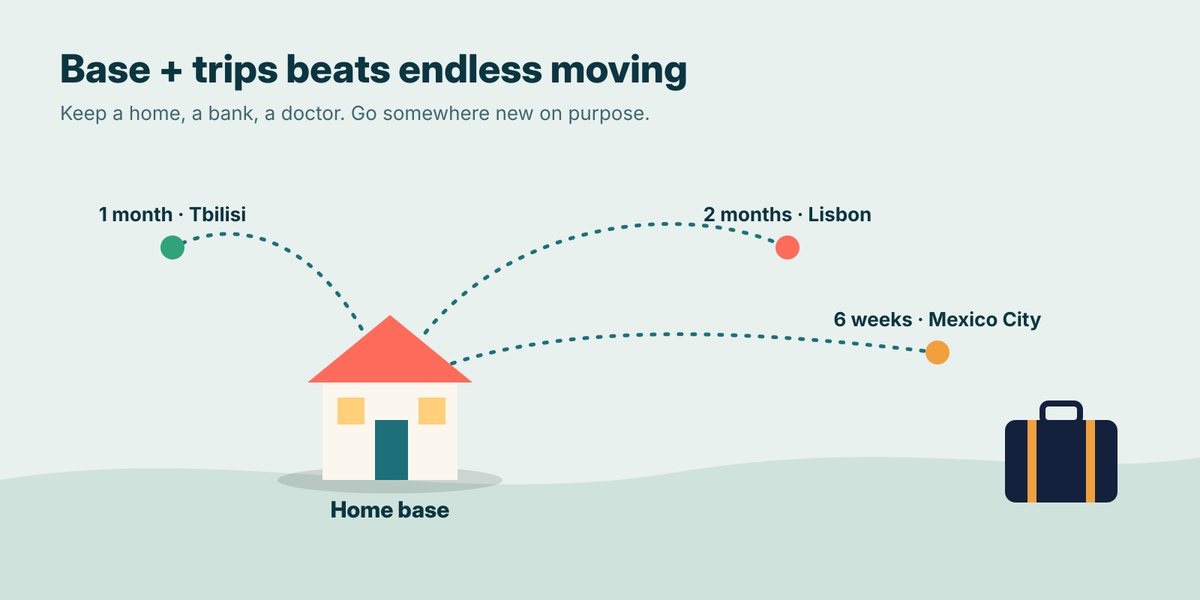
Keep a base. A home address, a bank, a doctor, somewhere your post goes. Many long-term nomads drift into a "home base plus long trips" pattern instead of constant movement, and they tend to be the ones who keep going.
Budget for the hidden stuff. Insurance, coworking passes, visa fees, flights home for weddings and emergencies. My rule of thumb is to add 20 to 30% on top of whatever the rent comparison tells you.
So, is it a better life?
Here's where I land. Nomad life doesn't hand you freedom. It hands you a different set of trade-offs, and the freedom is whatever you manage to build out of them. If you already manage your time well, like your work, and can make friends in a new place, you'll probably love it. If you're hoping a new city will fix burnout or a job you've stopped caring about, the same problem will be waiting for you there, just with nicer weather. I think the version that works for most working people isn't the beach-forever dream. It's using location as a tool: a base you're happy to come back to, one or two long stints somewhere new each year, and a career that doesn't depend on where your desk is. Wanting to leave is easy. What I'd aim for is a life where leaving is a choice you make on purpose, and coming home is one too.
Filed under Cool
Get NeatRead's best posts in one weekly email
One email a week, no password. Unsubscribe anytime.
or continue with email
With email, we send you a sign-in link.
By joining, you agree to the Terms and Privacy Policy.
Comments
No comments yet. Start the conversation.
Sign in to comment. It takes an email address, no password.