The five workouts the whole world can't stop doing

Listen to this post · 6 min
Read aloud by a synthetic voice.
At 5:40 on a cold morning in Hanoi, the lake is already crowded. Old men stretch against railings. A woman in a tracksuit walks fast laps with a radio clipped to her hip. Two teenagers jog past, earbuds in, pretending they don't know each other. On the far bank, a group of about thirty people moves in slow unison while a speaker plays something soft.
Nobody there is thinking about "global fitness trends." They're just moving. Still, if you stood by that lake long enough, you'd see nearly every exercise on this list. The world has lots of options for staying fit, from CrossFit boxes to Pilates reformers, but when you look at what ordinary people actually do week after week, the same five keep coming back.
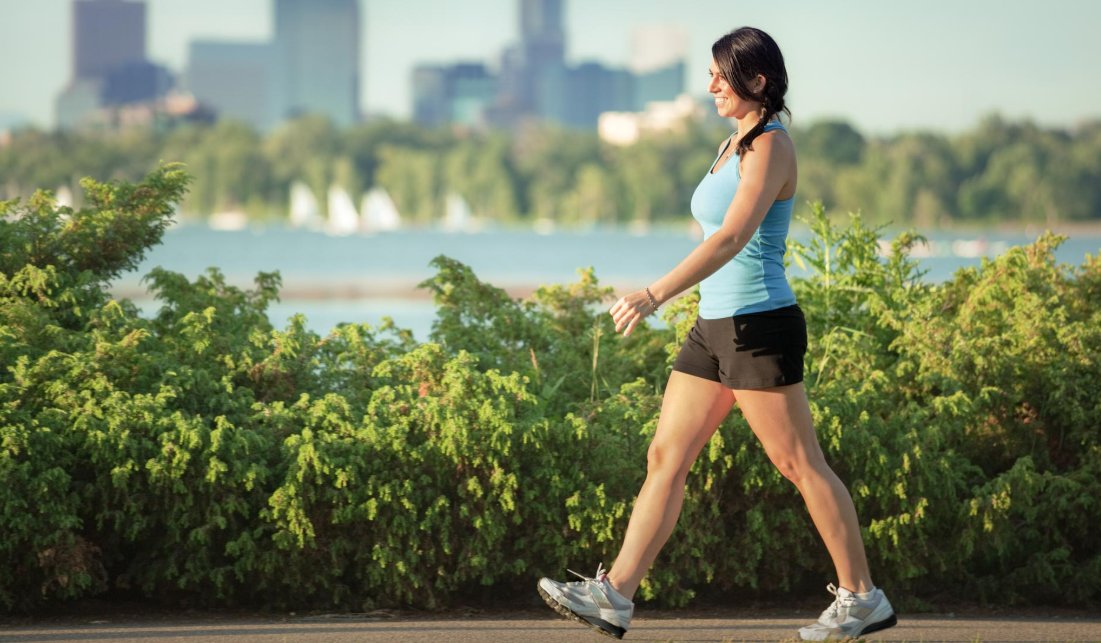
1. Walking: the one everybody already knows how to do
Walking wins, and it isn't close. No membership, no gear beyond decent shoes, no learning curve. You were doing it before you could say your own name.
The story of walking as exercise is really the story of people rediscovering something they never lost. My favorite example is the mall walkers. Across American suburbs, retirees show up before the shops open and do laps past the dark storefronts, climate controlled and flat, with a coffee stop built in. It sounds almost comic until you realize it's one of the smartest fitness habits around. It's social, it's safe, and it happens every single day.
The World Health Organization suggests adults get at least 150 minutes of moderate activity a week. That's about 21 minutes a day. A brisk walk to the shop and back covers it for a lot of people, and that's exactly why walking tops the list. The barrier to entry is basically zero.
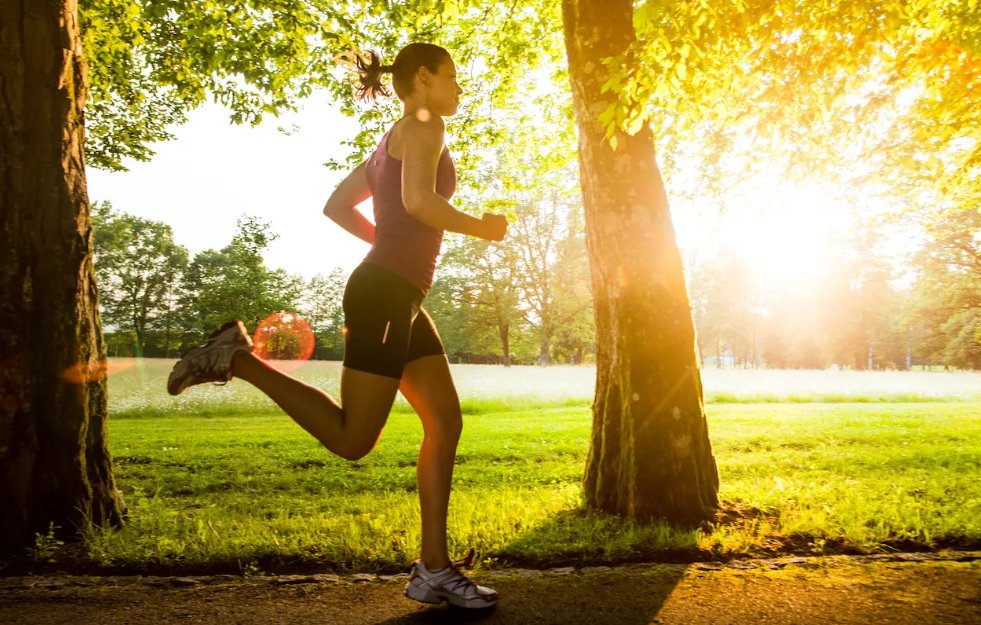
2. Running: the sport that turned into a Saturday ritual
In 2004, a runner named Paul Sinton-Hewitt was stuck at home with an injury, feeling low. He organized a free, timed 5K in Bushy Park in London. Thirteen people turned up. That small event became parkrun, which now runs every Saturday morning in parks across the world, with volunteers handing out barcodes and nobody caring if you finish first or last.
That's the thing about running. It looks lonely from the outside, but it has quietly become one of the most social sports on earth. Marathons sell out in minutes. Running clubs have become the new place to meet people, especially in big cities where making friends as an adult feels strangely hard.
It's also brutally simple. Lace up, step outside, go. Your knees might complain for the first few weeks, and your lungs definitely will, but the payoff is huge. Running burns a lot of energy in a short time, which matters if your schedule is packed.
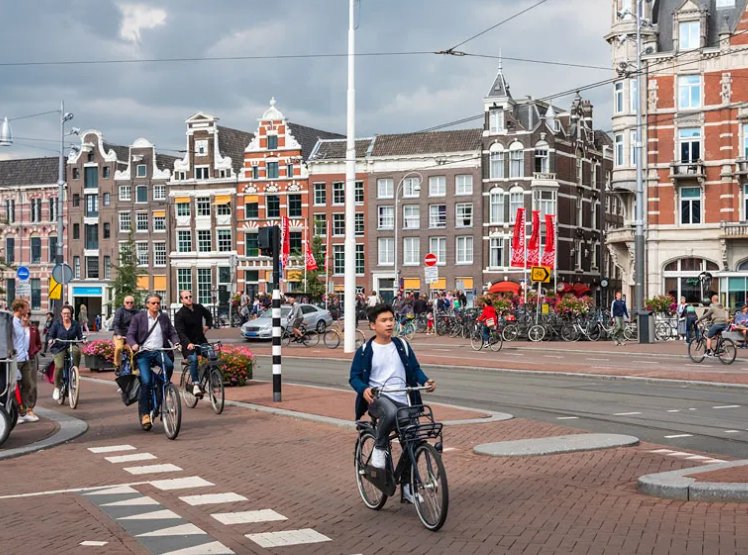
3. Cycling: exercise that pretends it's just getting around
Ask someone in Amsterdam how often they "work out on a bike" and they'll probably look confused. They don't work out on a bike. They go to work on a bike. The Netherlands famously has more bicycles than people, and most of those riders would never call it exercise.
That's cycling's secret weapon. It hides inside your day. In Copenhagen, parents haul kids in cargo bikes. In Beijing and Delhi, millions still pedal to jobs and markets. Meanwhile, in living rooms everywhere, indoor bikes with screens have turned spin class into something you can do at 6 a.m. in your pajamas.
It's also kind to your body. Cycling puts far less stress on your joints than running, which is why so many injured runners end up falling in love with it. And when you're flying downhill with the wind in your face, it genuinely feels like being a kid again.
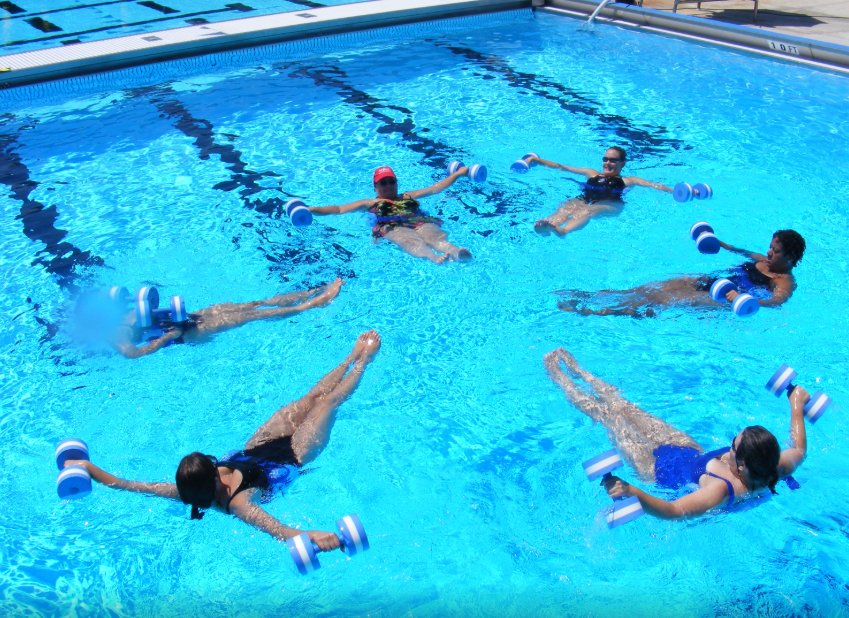
4. Swimming: the full-body workout that doesn't feel like one
There's a public pool in almost every town I can think of, and each one has its own little society. The early lane swimmers who never speak. The water aerobics group laughing loudly in the shallow end. The dad teaching a nervous six-year-old to float, promising he won't let go.
Swimming shows up on nearly every global list of favorite activities, and it's easy to see why. The water holds you up, so it's gentle on joints and backs. Yet it works almost every muscle you have. Arms, legs, core, lungs. After forty minutes of laps, you walk out tired in a deep, satisfying way.
It also has a mental side that people underrate. With your face in the water, there's no phone and no notifications. Just breath, stroke, breath. Many swimmers describe it as the only hour of the day when their brain goes quiet.
5. Yoga: an ancient practice with a very modern following
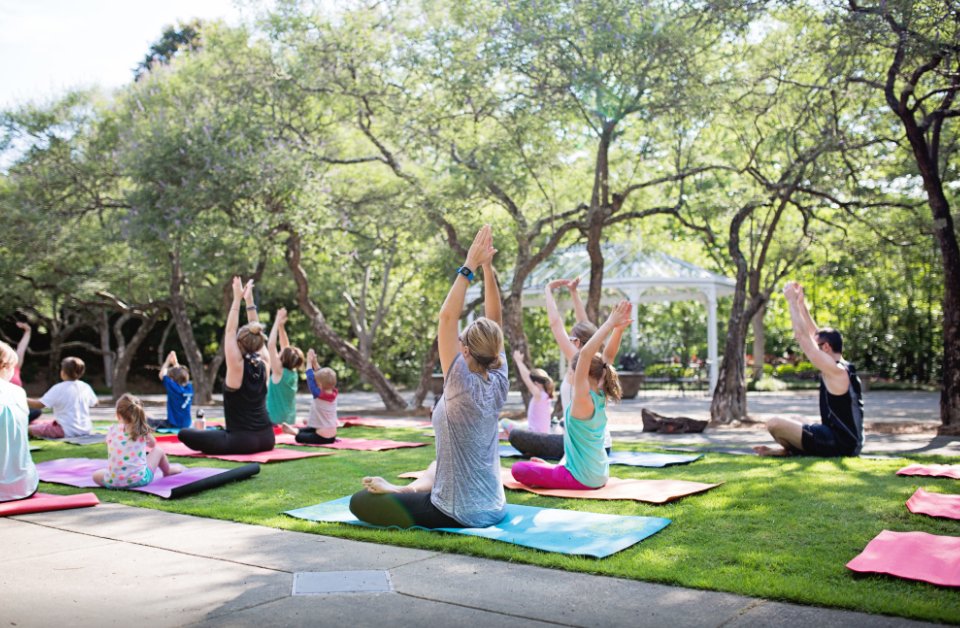
Yoga started in India thousands of years ago as a spiritual discipline. Today you'll find it in a Brooklyn loft, a Tokyo office break room, a beach in Bali, and a phone app in a teenager's bedroom. The United Nations even marks June 21 as International Day of Yoga, and every year crowds unroll mats in parks and city squares around the world.
Yoga's rise tells you something about what people want from exercise now. It's not only about burning calories. People want flexibility, better sleep, a calmer mind, a back that doesn't ache after a day at a desk. Yoga promises a bit of all that, and for plenty of people, it delivers.
It's also forgiving. You can do it in a corner of a small apartment with nothing but a towel. And unlike the gym, nobody's grading you. A good teacher will tell you the pose you can manage today is the right pose.
How they stack up
Every one of these five has a different personality. Here's a quick side-by-side of energy burned, joint stress, and cost to get started.
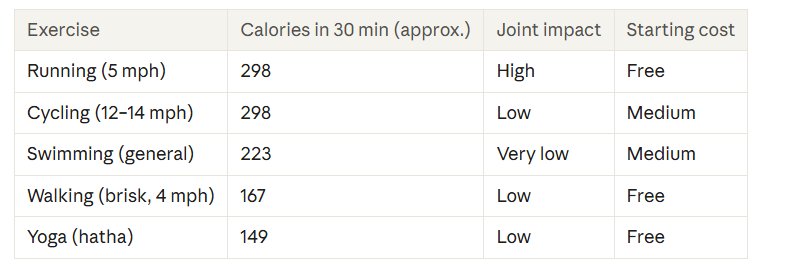
Approximate figures for a 70 kg (155 lb) person, based on Harvard Health estimates.
A quick honest note: strength training deserves a mention too. Lifting weights has exploded in the past decade, and doctors increasingly say everyone should do some, especially as they age. It just hasn't caught up to these five in sheer numbers of everyday people.
So which one should you pick?
Back at that lake in Hanoi, nobody was debating calories per minute. The walker walked because she liked her radio show. The joggers jogged because their friends did. The slow-moving group at the far bank did yoga because it felt good on stiff mornings.
That's the real lesson hiding in these five. The best exercise isn't the one that burns the most. It's the one you'll actually show up for tomorrow, and the day after, when it's raining and your bed is warm. For most of the world, that turns out to be something simple: a walk, a run, a ride, a swim, or a stretch.
Pick one. Start small. Ten minutes counts. The world is already out there moving, and there's plenty of room at the lake.
Comments
No comments yet. Start the conversation.
Sign in to comment. It takes an email address, no password.